














Close
Digital Health & Ai Innovation summit 2026
Medical Taiwan 2026

Australian Healthcare Most Susceptible To Cyberattacks

Note* - All images used are for editorial and illustrative purposes only and may not originate from the original news provider or associated company.

Subscribe

- Never miss a story with notifications

- Gain full access to our premium content

- Browse free from any location or device.

Media Packs

Expand Your Reach With Our Customized Solutions Empowering Your Campaigns To Maximize Your Reach & Drive Real Results!

– Access the Media PackNow

– Book a Conference Call

Leave Message for Us to Get Back

Related stories

Healthcare Wearables Driving Preventive Care Strategies...

Healthcare wearables are profoundly reshaping the landscape of modern medicine, moving the focus from reactive treatment to proactive prevention. This article explores how these sophisticated devices, through real-time health tracking, advanced wellness monitoring, and early risk detection, empower individuals and medical professionals alike to implement smarter, more effective preventive care strategies, ultimately fostering a healthier, more informed populace.

Digital Health Technologies Enhancing Modern Care...

Digital health technologies are fundamentally reshaping how healthcare is delivered, moving beyond traditional models to offer more efficient, accessible, and patient-centered solutions. From the widespread adoption of telehealth platforms to the seamless integration of Electronic Health Records (EHR) and the proactive insights gained from remote patient monitoring, these innovations are not merely incremental improvements but represent a profound healthcare digital transformation. This article delves into how these advanced digital health technologies are enhancing care delivery, optimizing clinical workflows, and fostering a new era of proactive, personalized patient care, ultimately driving better outcomes for individuals and healthcare systems alike.

Telehealth Licensure Reform Initiative by Johns...

Johns Hopkins Medicine and American Telemedicine Association have unveiled...

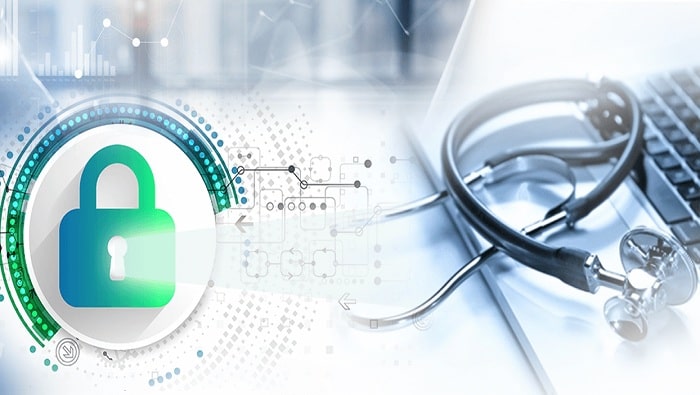
The healthcare sector was determined to be the most affected sector due to data breaches across Australia, as per the report from the 2023 ForgeRock Identity Breach.

It is well to be noted that cyberattacks in the healthcare sector contributed 16% of the 890 data breaches that were recorded in the country in 2022. This was followed by finance accounting for 13% and legal, management, and accounting services for 7%, according to the report, which cited the data that was compiled by the government.

The report stated that personal contact information such as home addresses, phone numbers, and email addresses happened to be the most regularly sought-after information in data breaches that were recorded in the first half of 2022. This was similar to the results that came out in the preceding two years.

Other sensitive data that was mostly targeted happened to be identity information, health details, and tax file numbers.

Throughout all the nations that were studied, which also included the likes of the UK, Germany, and Singapore, ForgeRock opined that various sectors went on to report varying levels of resilience when it came to cyberattacks, with government, financial services, and retail showing lesser breaches because of robust authentication practises. On the other hand, education and healthcare showed weaker cybersecurity.

The report mentioned that targeted attacks when it comes to third-party service providers in healthcare and education go on to demonstrate that there is a need to deepen cybersecurity practises throughout their respective ecosystems. Although some sectors have indeed gone on to become more resilient, others remain constantly vulnerable to attack.

Apparently, in Australia alone, there have been organisations that have filed more than 76,000 cybercrime reports for the financial year 2021–22, as per the official records, which is up by 13%, indicating previously that there were cyberattacks that got reported every seven minutes throughout the country. Following high-profile cases such as the Optus data breach that took place in September last year and the Medibank data breach that happened in October of the same year and led to the spread of sensitive customer information across the dark web, there indeed happens to be a rising concern when it comes to the local threat landscape.

The growing risk is met with a rising budget for cybersecurity by the government; however, ForgeRock noted that there is still scope where more can be done, especially when it comes to education, so as to help the investments deliver results to the business that are in every way meaningful.

Taking into account emergent cyber threats that exist across sectors, ForgeRock has gone on to recommend focusing on eight strategic areas so as to prevent data breaches, such as a zero-trust framework as well as AI-driven threat protection systems.

The report also established how one stolen identity of a single authorised user can go on to trigger a huge breach and that third-party breaches are posing a major concern across all the nations that have been studied.

MEDICAL FAIR ASIA 2026

Latest stories

Related stories

Healthcare Wearables Driving Preventive Care Strategies Today

Healthcare wearables are profoundly reshaping the landscape of modern medicine, moving the focus from reactive treatment to proactive prevention. This article explores how these sophisticated devices, through real-time health tracking, advanced wellness monitoring, and early risk detection, empower individuals and medical professionals alike to implement smarter, more effective preventive care strategies, ultimately fostering a healthier, more informed populace.

Digital Health Technologies Enhancing Modern Care Delivery

Digital health technologies are fundamentally reshaping how healthcare is delivered, moving beyond traditional models to offer more efficient, accessible, and patient-centered solutions. From the widespread adoption of telehealth platforms to the seamless integration of Electronic Health Records (EHR) and the proactive insights gained from remote patient monitoring, these innovations are not merely incremental improvements but represent a profound healthcare digital transformation. This article delves into how these advanced digital health technologies are enhancing care delivery, optimizing clinical workflows, and fostering a new era of proactive, personalized patient care, ultimately driving better outcomes for individuals and healthcare systems alike.

Telehealth Licensure Reform Initiative by Johns Hopkins, ATA

Johns Hopkins Medicine and American Telemedicine Association have unveiled...

Merit Medical Acquires View Point Medical in $140m Deal

Merit Medical Systems has completed the acquisition of View...

Subscribe

- Never miss a story with notifications

- Gain full access to our premium content

- Browse free from any location or device.

Media Packs

Expand Your Reach With Our Customized Solutions Empowering Your Campaigns To Maximize Your Reach & Drive Real Results!

– Access the Media Pack Now

– Book a Conference Call

Leave Message for Us to Get Back

Translate »